
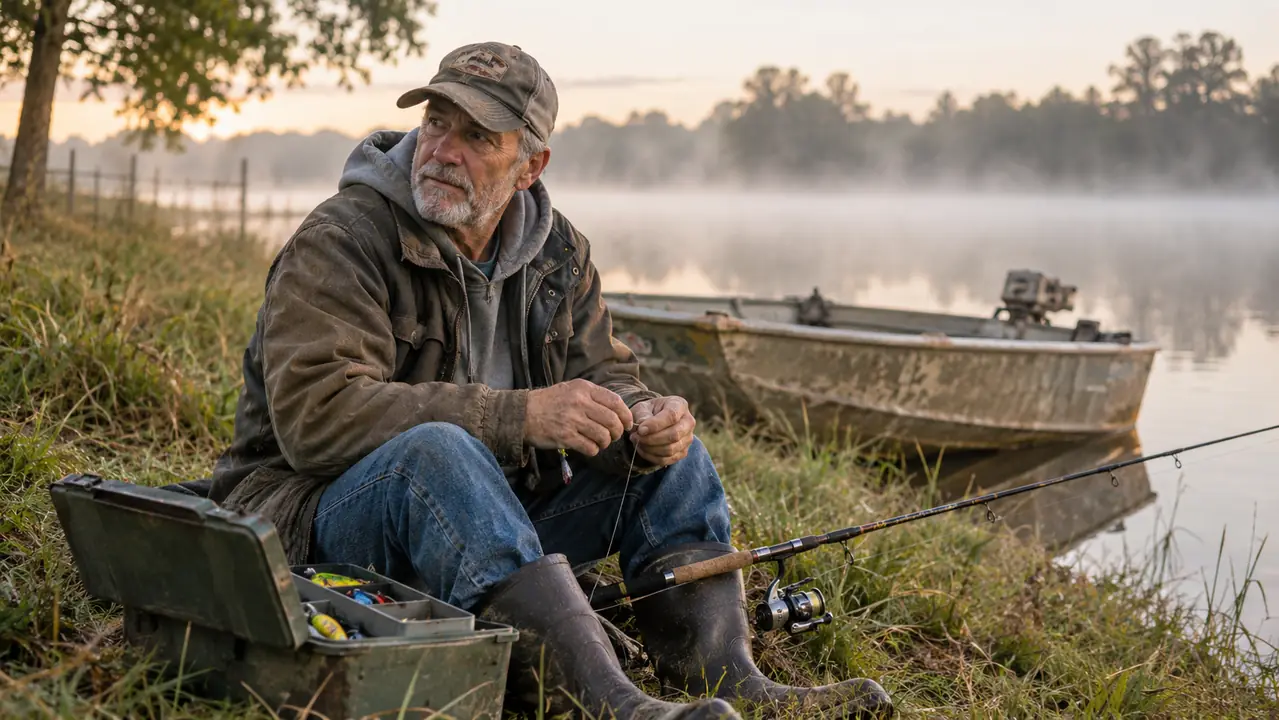
Every March I tell myself the same thing: this is the year I quit buying nightcrawlers. Then the ground stays cold, the crawlers don't come up, and the bait shop two towns over is picked clean by the time I get there. I've been fishing a Berkley Power Worm and a live crawler out of the same 14-foot aluminum jon boat for the better part of ten years now. Farm ponds outside Dothan, the flats on Eufaula, the creek behind my place that I won't name because it's already crowded on Saturdays. Both baits catch fish. They just don't catch the same fish on the same days, and that's the part nobody mentions at the counter.
Short answer first. If you fish warm water from the bank or a small boat, and you want bait that lives in the truck instead of dying in it, the Berkley Power Worm is what stays in my box. Thirteen to a pack, 7 inches long, no cooler and no dirt. If you're after catfish on a summer evening, or the bass have been looked at so hard they won't touch plastic, a live crawler still does something no soft bait has managed to copy. I carry both. I just carry a lot more of one than the other.
| Berkley Power Worms | Live Nightcrawlers | |
|---|---|---|
| Shelf life | Rides in the boat all season, no care at all | Days in the fridge, less in July heat |
| Scent | PowerBait formula built in, the listing claims higher bite retention | The real thing, leaking scent from the second it lands |
| Surviving a missed strike | Takes a hit, comes back, goes right out again | One tap and you're re-baiting |
| Species range | A bass bait, cut down for panfish if you have to | Bass, bream, crappie, catfish, nearly anything in the water |
| Hard casts and wind | Holds together cast after cast | Tears off at the collar on a bad cast |
| Cold muddy early spring water | Works, but slow and you have to work for it | Still the best thing I've found when the pond is brown |
| Availability at daylight | The pack has been in the boat since spring | Depends on the shop, the weather and the guy ahead of you |
| Mess | None | You will have dirt in the boat and on the truck seat |
| Best for | Everyday pond bass, warm water, bank fishing | Catfish, pressured fish, kids who need to see a bite |
Where Berkley Power Worms Win
The first thing a soft worm buys you is a schedule. I don't get to fish on my own clock. I fix trucks five and a half days a week and I fish when the work lets me, which means I might get two hours on a Tuesday evening and nothing again for eleven days. A crawler doesn't survive that. It goes in the fridge, then in the cooler, then it turns into a gray string in a foam cup and I'm scraping it out with a stick. A pack of Power Worms has ridden around in my boat through two Alabama summers, one of them hot enough to warp a plastic tray, and the worms came out fine. That is worth more to me than any scent advantage on paper.
The summer of 2023 is the one I use as my test. I had a pack of these worms in the port side storage box from April until September, in a boat with no cover, sitting in a gravel drive that gets full sun from ten in the morning until six at night. When I finally pulled them out in September they were warm and a little tacky and they still rigged and still caught fish off the grass at the creek. A crawler in that same box would have been a stain. I have thrown away more bait over the years than I care to count, and every bit of it was something that used to be alive. The worms are the only thing in my boat that has never made me open a lid and regret it.
The second thing is how they hold up. A ribbon tail on a hook will take a hit, get dragged through grass, come back with no fish on it, and go right back out. I had the same worm tied on for a dozen casts on Eufaula because the bass were slapping at it and not eating it. A crawler in that same situation is gone on the first tap. Half of bait fishing is re-baiting, and doing it one-handed in a crosswind while the boat drifts is the kind of chore that ends a trip early.
The third thing is the profile. The listing calls it a classic ribbon tail, and that's exactly what it is, a curly tail that kicks on a slow retrieve and again on the fall. In warm water I fish it weightless over the grass, or on a light Texas rig around the cypress, and it does the one thing a crawler can't: it keeps working while it sits still. A crawler on a hook is a dead piece of meat until something picks it up.
Then there's the practical end of it. Thirteen worms in a pack, 7 inches long, and each one is good for more than one fish. I've caught four bass off a single worm and put it back in the box for the next trip. You are not doing that with anything that came out of the ground.
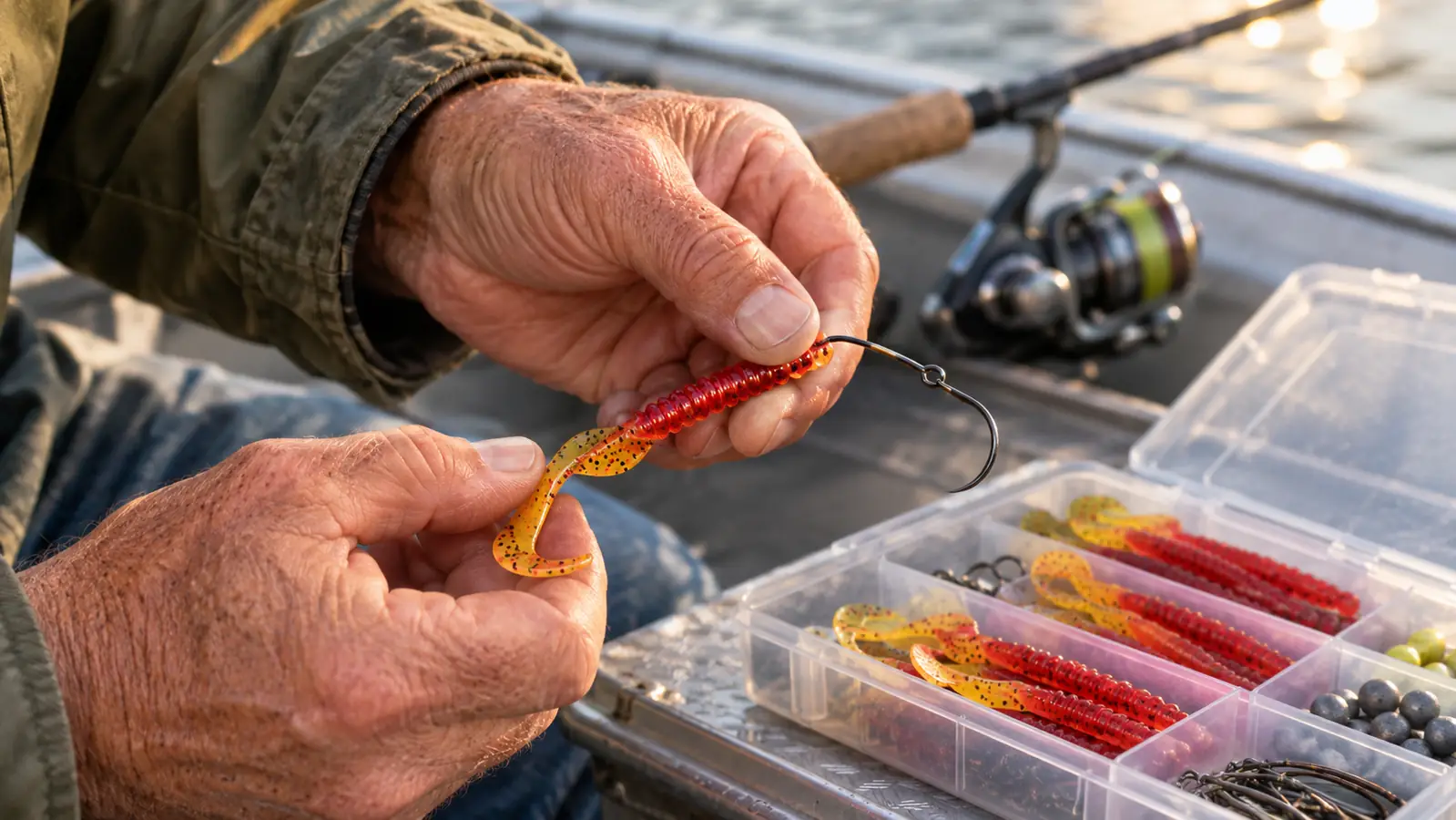
Where Live Nightcrawlers Win
Now the part where the crawler wins, and it wins bigger than the plastic crowd likes to admit. Scent, and not the manufactured kind. Berkley puts its PowerBait formula in the worm and the listing claims it raises bite retention, and I believe they tested it. But a crawler leaks scent into the water from the second it hits, and everything in that pond can smell it. When I take my brother-in-law Earl to a pond that gets hammered, the crawler out-fishes the plastic maybe two trips out of three. Pressured bass have learned to look at a plastic worm and not commit. Something that is actually food gets held onto a half second longer, and a half second is the whole game.
The second win is species. My jon boat isn't a bass boat. I'll take bream on a cricket, catfish on a piece of crawler on the bottom, and crappie in the spring when they stack on the buckbrush. One container of crawlers covers all of it. A 7 inch Power Worm is a bass bait. You can cut it down for panfish and I have, but a catfish sitting in the mud at the far end of the cove did not get there to eat plastic. If I'm setting two rods in holders and waiting, crawlers go on both.
Last June I set two rods off the point at Eufaula at dusk, half a crawler on each hook, and by nine o'clock I had three channel cats in the cooler and the biggest one went six pounds on the scale at the house. I have never caught a catfish on a 7 inch Power Worm. Not one, not in ten years, and I have tried it more than once. They will pick at it. They will mouth it and move off. The hook never finds them the way it does with something that smells like food. That one evening was worth the drive down and back twice over, and it's the reason I still stop at the shop on the way out of town when the plan is to sit rather than cast.
Cold muddy water is the other one. Early March, pond still brown from rain, water in the low fifties. A crawler drifted slow along the dam will get bit when a plastic worm gets ignored all morning. I don't fully know why. I suspect it's the smell again, and that a fish which can barely see is hunting with the only sense it has left.
The Bait That's Still Alive in the Boat in August
Thirteen seven-inch worms. No cooler, no dirt, no run to the bait shop before daylight. That's the trade I make most weeks, and it's the reason one pack lives in my console year round.
Amazon Check Today's Price on Amazon →A crawler is done the second a fish touches it. The worm on my line had already been hit four times that morning and I was still fishing it.
The Way I Actually Fish Each One
When the Power Worm is on, I'm fishing slow. Weightless over the grass in the morning, dragging it across the top and letting it fall into the holes. Or a light Texas rig around the cypress stumps on Seminole, where you need something that comes through wood without hanging every third cast. The tail does the work. I don't add much motion because the worm already has it.
On Seminole I fish an 1/8 ounce bullet weight with a 3/0 hook, peg the weight with a toothpick so it stays put coming through the wood, and cast to the shade line on the cypress. The bite there is usually on the first fall, right when the tail starts kicking, and if you miss it you let it sit three or four seconds before you lift. That is a plastic worm cast all day long. A crawler on a split shot in that same wood hangs up and tears off, and after the third one you quit fishing the good stuff and start fishing whatever water you can reach without losing bait.
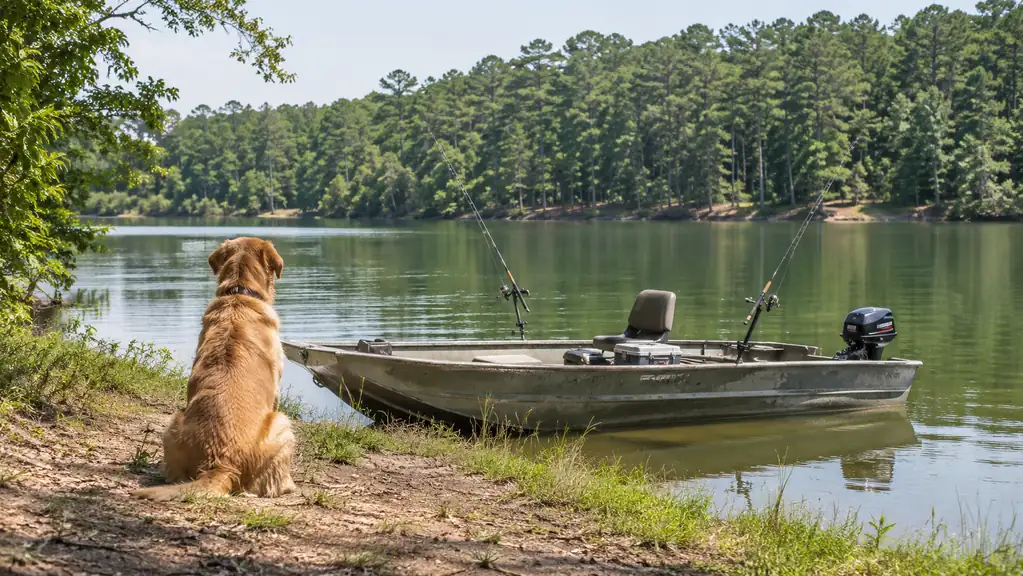
With crawlers, the whole approach changes. Hook through the collar, split shot a foot up, slow drag along the bottom. Or a float if the bream are bedding. It's a waiting game and some evenings I want exactly that. Tater sits on the bank and watches the water, I watch the float, and that's a good way to spend a Thursday.
The honest middle ground, and the one I actually use now: a pack of Power Worms rigged and ready, and a small foam cup of crawlers for when the plastic goes cold. If twenty minutes pass without a tap on the worm, I switch one rod to a crawler and let it sit while I keep casting the other. Some days that crawler rod is the only one that gets bit. Some days it's dead weight and what's left goes to the coons at the ramp.
What I quit doing is buying crawlers for a trip I'm not sure I'll get to take. I used to load up Friday night for a Saturday that got rained out, and by Sunday they were a loss. The worms don't care about the weather. That alone changed how I pack the boat.
What I Liked
- Survives heat, cold, and a tackle box that lives in the truck
- One worm takes multiple fish and multiple missed strikes
- Ribbon tail works on a slow retrieve and again on the fall
- Thirteen to a pack, so one lost worm isn't a lost trip
Where It Falls Short
- No real scent compared to anything that came out of the ground
- 7 inches is a bass bait, catfish and small panfish don't want it
- Pressured fish in clear water can get shy of plastic
- It has to be fished, it won't sit on the bottom and wait for you
Who Should Buy Which
Buy the Berkley Power Worms if you fish the way most people around here actually fish. An hour or two after work, a farm pond or the bank at Eufaula, a rod behind the seat and no cooler in the truck. If your bait has to survive a week in the console between trips, that's the whole argument right there. Keep a pack in the boat, keep a second pack in the garage, and you will never drive to town at six in the morning for bait again.
I keep one pack in the port side box of the jon boat and one in a coffee can on the bench in the garage, and the garage pack has been there so long the bag has gone cloudy. That sounds like a bad sign and it isn't. They rig the same. My nephew fishes with me maybe twice a year and has never once brought bait, and he knows exactly where that can is. He grabs two worms, rigs one, loses it in the brush on the far bank, rigs the second, and we keep fishing. Nobody had to drive anywhere. That's the case for keeping them around, and it holds up on a Tuesday after work just as well as it does on a Saturday with the lake full of boats.
Buy crawlers if you're setting up for the evening. Two rods in holders, a bucket of bait on the bank, kids along who need to see a bobber go down, or a pond where the bass have been caught and released so many times they've gotten particular. Pay the shop, keep them cool, and use them the same day. Don't buy them Thursday for a Saturday you might not get.
And if you're like me, you'll end up with both, because they solve different problems. One is a bait you own. The other is a bait you buy for a specific afternoon. Knowing which afternoon you're headed into is most of the decision.
The Pack That's Never Dead When I Get to the Water
Warm-water pond bass, fished from the bank or a small boat, on bait that doesn't need a fridge or a bait shop. Thirteen worms, 7 inches, ready when the work lets up.
Amazon Check Today's Price on Amazon →