

Some days at a farm pond, the fish just are not having it. I pulled up to a pond outside Dothan on a warm Saturday in April, water the color of weak coffee, and for two hours I watched dragonflies land on my line while the bass ignored everything I threw. Tater, my Catahoula mix, found a shady spot on the bank and went to sleep. I was about ready to load the jon boat back on the Silverado when I remembered the bag of Berkley Power Worms in the bottom of my tackle box.
The bag had been in there since a tackle shop run in February. I had bought a pack of the 7-inch worms, 13 to a bag, mostly because the label said ribbon tail and I like a worm with some movement in warm water. I had not fished them yet. My usual deal is a live nightcrawler under a slip float, or a plain plastic worm I rig Texas style. I figured the Berkley bait would be another thing to try when the fish got picky.
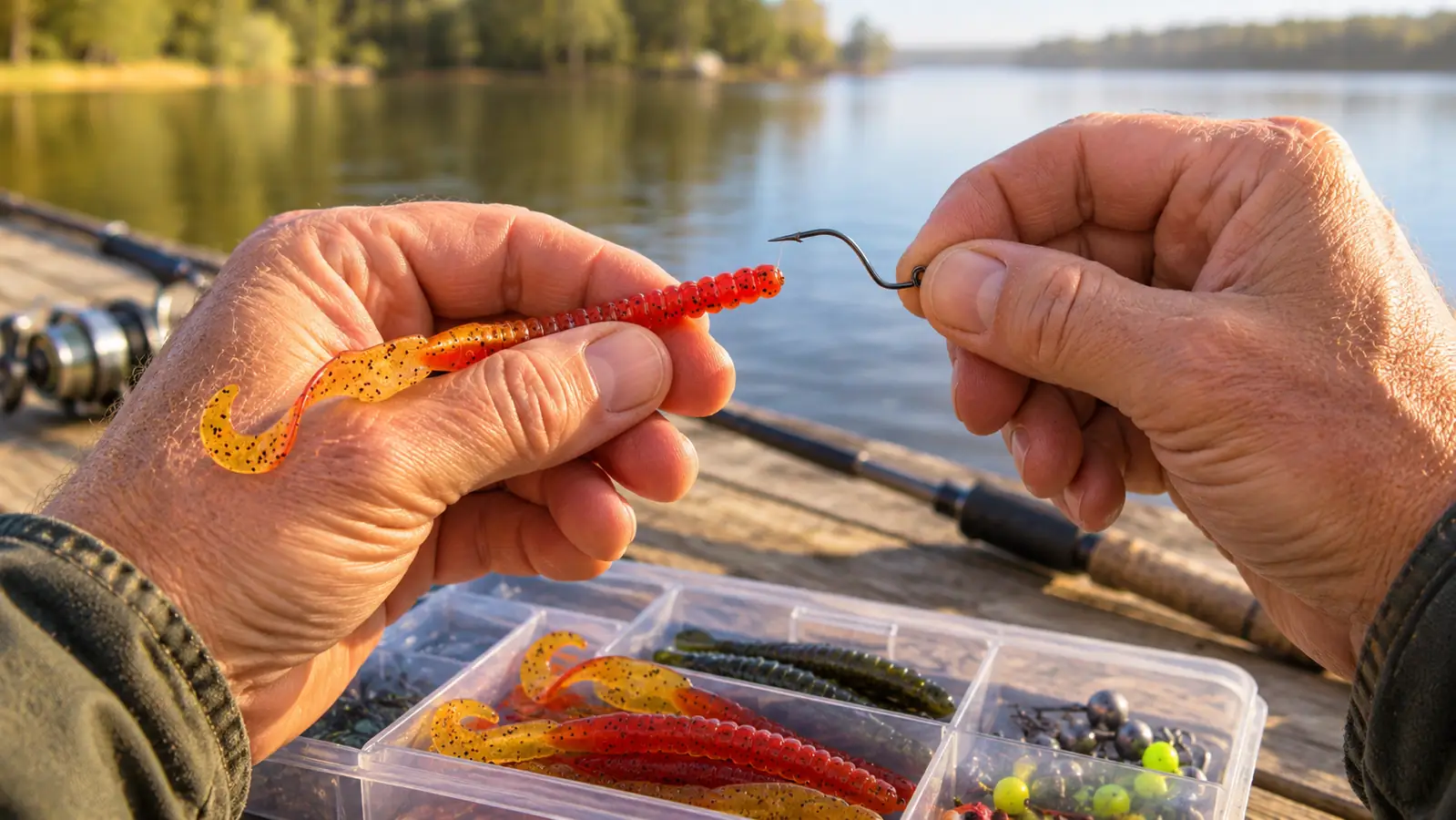
I rigged one on a 3/0 offset hook, no weight, and flipped it toward a stump line near the bank. The worm is 7 inches long and the tail is a ribbon cut, so it moves even when the bait is falling. First cast, nothing. Second cast, I felt a tap that was more like a tick than a bite. I set the hook and the line came tight. A largemouth came up and shook its head, maybe two pounds, and I got it to the bank. That was the first fish of the day, and it came on the Berkley after two hours of nothing.
I am not going to tell you it turned the day into a tournament weigh-in. It did not. I caught five bass and one chunky bream over the next three hours. Three of the bass came on that same worm, one came on a crankbait, and one came on a live nightcrawler after the wind laid down. But the worm got the first bite and it got the bite when the pond was flat and bright, which is usually when I struggle.
What I noticed most was how long the bait stayed on the hook. The PowerBait formula is the thing Berkley talks about, and I will say the fish held on longer than they do with a plain plastic. I had a couple of fish swipe and miss, and when I reeled in the worm was still rigged straight. That is more than I can say for the cheap worms I used to buy at the hardware store. After a few fish the tail got chewed up, but it kept working.
The worm got the first bite when the pond was flat and bright, which is usually when I struggle.
That One Bag Changed a Two-Hour Skunk
If you keep a pack in the boat for slow afternoons, the 7-inch ribbon-tail is the one I reach for now.
Amazon Check Today's Price on Amazon →I fished the same bag for the rest of the spring. I keep it in a small Plano box with a few hooks and weights, and I have used it in the creek near the house and on Eufaula when the shad are running. On Eufaula I fish from the jon boat, usually around grass edges and flooded timber. The worm is heavy enough to cast without a weight on baitcasting gear, and it skips under docks better than a live worm.
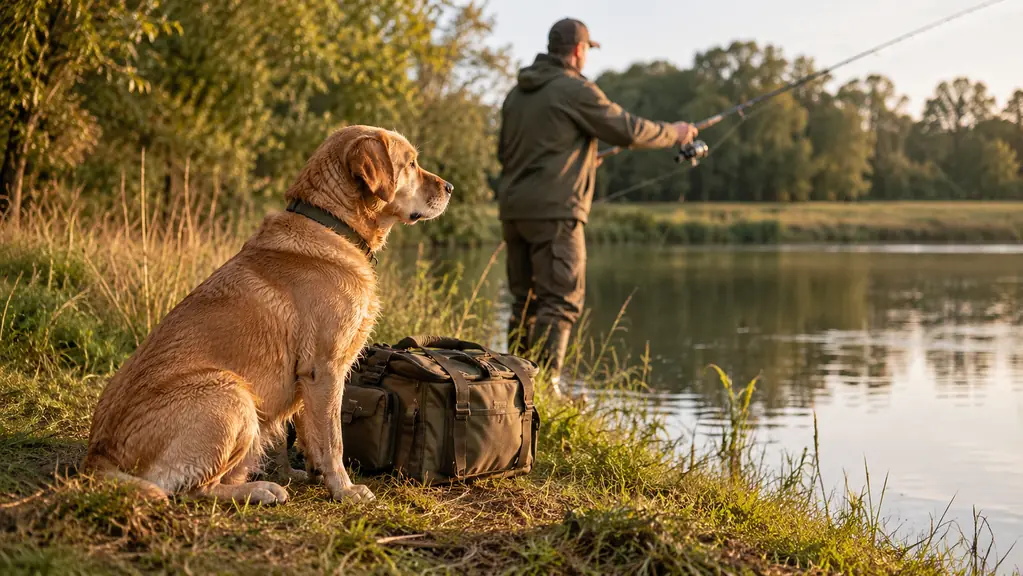
I have tried it on a shaky head and on a Texas rig with a 1/8 ounce bullet weight. Both work. My favorite is weightless because it falls slow and the tail keeps moving. On a windy day, I add a small weight so I can feel the bottom. That is not a special trick, just how I fish a plastic worm.
Earl, my brother-in-law, fished with me one Saturday and asked what I was throwing. I handed him a worm and told him to fish it slow. He caught a crappie on it, which surprised me, and a small bass. He said he liked that it stayed on the hook after a miss. That is the kind of thing that matters when you are fishing from the bank and do not want to re-rig every cast.
I have also used the worm in the creek behind my shop after a rain, when the water is stained and the bass push up shallow. I rig it on a 4/0 hook and cast upstream, letting it tumble with the current. That is not a finesse presentation, but it gets bit. The ribbon tail moves in current without me doing anything.
The bait is not perfect. The worms come in a soft plastic bag, and if you leave them in a hot truck they will clump together. The 7-inch size is big for small pond bass, and I have had short strikes from fish that could not get the whole thing in their mouth. On those days I trim an inch off the head or switch to a smaller worm. The bait also does not last forever. After a dozen fish the tail gets ragged and I change it.
What I'd Tell You If We Were Sitting at My Kitchen Table
I would tell you to buy one bag, not ten. Take it to a pond you know and fish it slow. If the fish are on beds, use it weightless. If the wind is blowing, add a small weight and drag it. Do not expect it to out-fish a live nightcrawler on a cool morning. It is a plastic worm, not a live bait, and some days the real thing wins. But for a warm afternoon when the bass are picky and you want to cover water, it earns its spot in the box. Keep it out of the sun, because soft plastic gets greasy in a hot boat.
One Bag in the Boat Is Enough to Start
The 7-inch ribbon-tail comes 13 to a pack. Rig it weightless first, then adjust from there.
Amazon Check Today's Price on Amazon →